


The weirdest things in USA include invasive spotted lanternflies, enormous Burmese pythons in Florida, destructive feral hogs, and unusual wildlife that seems almost too strange to be real. From insects hitchhiking on vehicles to reptiles disrupting entire ecosystems, these bizarre encounters reveal a fascinating side of American nature.
Why The Weirdest Things In USA Are More Than Just Internet Oddities
The internet often turns strange animal sightings into viral mysteries, but the real story is usually more interesting than the headline. The weirdest things in USA include creatures that arrived through the pet trade, wildlife that adapted to human development, and insects that spread through ordinary transportation.
According to the U.S. Geological Survey (USGS), invasive species can threaten ecosystems, economies, and human health. That distinction matters: a creature can look frightening without being dangerous, while a seemingly harmless animal can cause considerable environmental damage.
If you enjoy unexpected discoveries, our Briefly Weird collection offers another place to explore the unusual stories that make everyday life more surprising.
1. Spotted Lanternflies: The Colorful Insects That Hitchhike Across America
Where To Look: Parts Of The Eastern And Mid-Atlantic United States
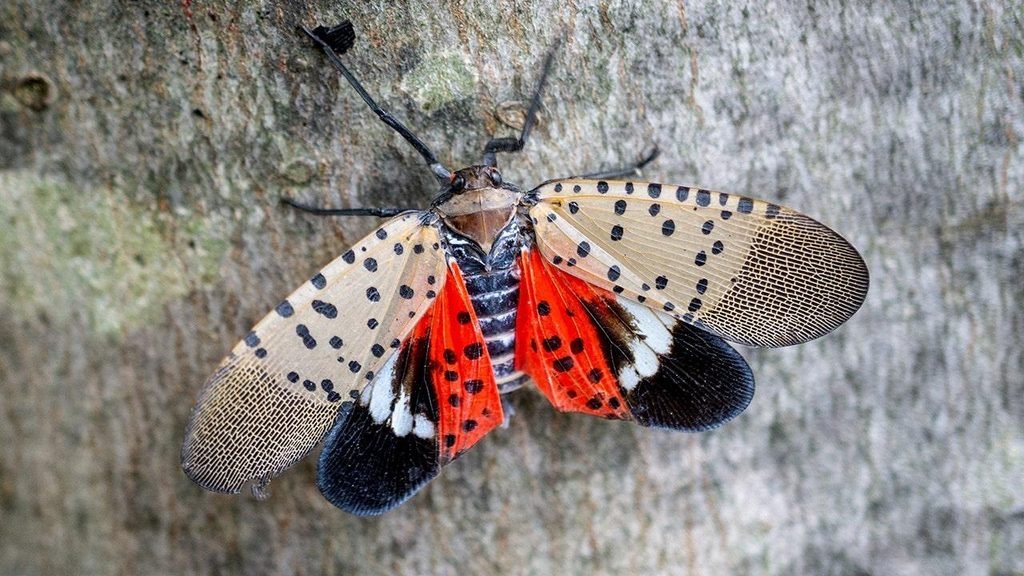
Image Source: foxnews.com
Few entries on a list of the weirdest things in USA look as unusual as the spotted lanternfly. With its spotted wings and flashes of red underneath, this insect can resemble something designed for a science-fiction movie.
Originally from Asia, the spotted lanternfly was first detected in Pennsylvania in 2014. The U.S. Department of Agriculture’s Animal and Plant Health Inspection Service reports that it feeds on various plants, including grapevines, fruit trees, and hardwood trees.
Its most surprising trick is how easily it travels. Egg masses can cling to vehicles, outdoor furniture, firewood, and other hard surfaces, allowing the insect to reach new locations without traveling far on its own.
The practical lesson is simple: unusual wildlife can become a regional problem through everyday human activity. If you spot a suspected lanternfly, photograph it and follow your state’s reporting guidance rather than transporting it elsewhere.
2. Burmese Pythons: Florida’s Unexpected Giant Reptiles
Where To Look: South Florida, Including The Everglades Region
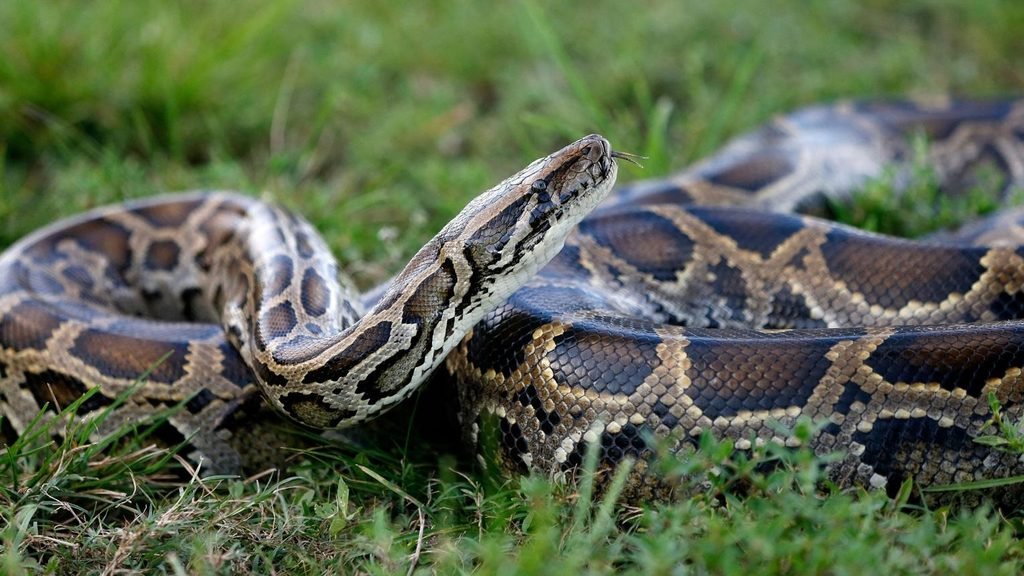
Image Source: livescience.com
Imagine exploring a subtropical wetland and discovering a snake capable of swallowing surprisingly large prey. For residents and wildlife researchers in South Florida, Burmese pythons are not simply the stuff of frightening online videos.
These snakes originated in Southeast Asia and became established in Florida after animals associated with the pet trade escaped or were released. The USGS overview of invasive Burmese pythons explains their impact on native wildlife and the challenges of managing them in the Everglades.
What makes them particularly concerning is their role as ambush predators. They can prey on mammals, birds, and other reptiles, disrupting the natural balance of an ecosystem.
The weirdest things in USA are not always rare curiosities that disappear after a photograph. Some become long-term conservation challenges because they establish breeding populations and thrive in environments where native animals have few defenses against them.
For visitors, the sensible approach is to observe wildlife from a safe distance and report unusual snake sightings to the appropriate wildlife authorities. Do not attempt to capture a large snake yourself.
3. Feral Hogs: The Wild Animals Quietly Reshaping The Landscape
Where To Look: Numerous States, Particularly Rural And Agricultural Areas
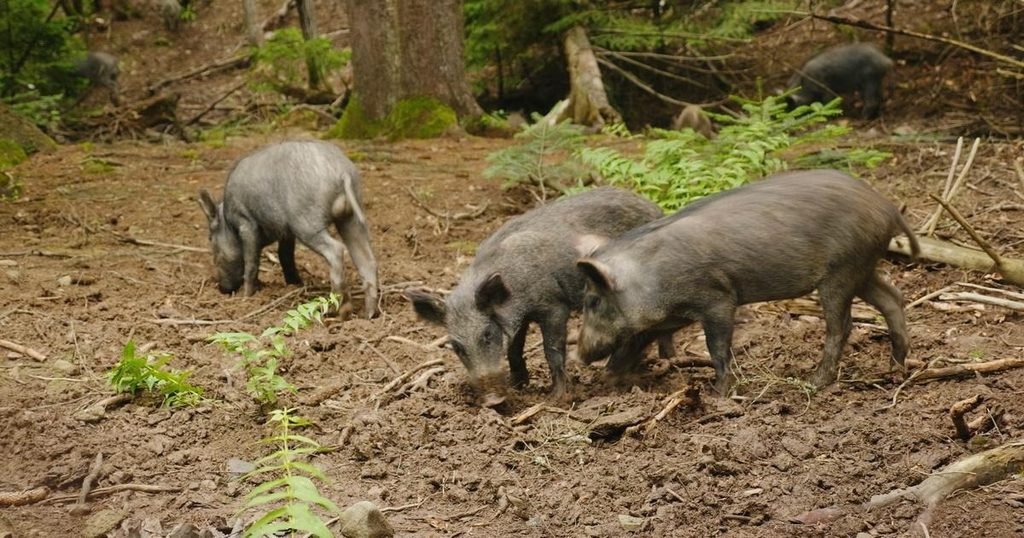
Image Source: pbs.org
Feral hogs may not look as exotic as giant snakes or brightly colored insects, but they deserve a place among the weirdest things in USA. These tough, adaptable animals can turn a quiet patch of land into a field of churned-up soil overnight.
The USDA explains that feral swine have expanded across the country. They dig for food, damage crops, disturb natural habitats, and can carry diseases that affect people, pets, livestock, and other wildlife.
Their success comes down to adaptability. They eat a wide range of foods, reproduce quickly, and can survive in different environments. When they root through soil, they may damage plant communities, increase erosion, and disturb areas used by native species.
The USDA estimates that feral swine cause billions of dollars in damage and control costs annually, demonstrating why this is more than a bizarre wildlife story.
The lesson is that an animal does not need a frightening appearance to become a serious problem. Sometimes, the most consequential creatures are the ones that quietly change the environment around them.
4. Nutria: The Oversized Rodents That Damage Wetlands
Where To Look: Louisiana And Other Areas With Established Populations
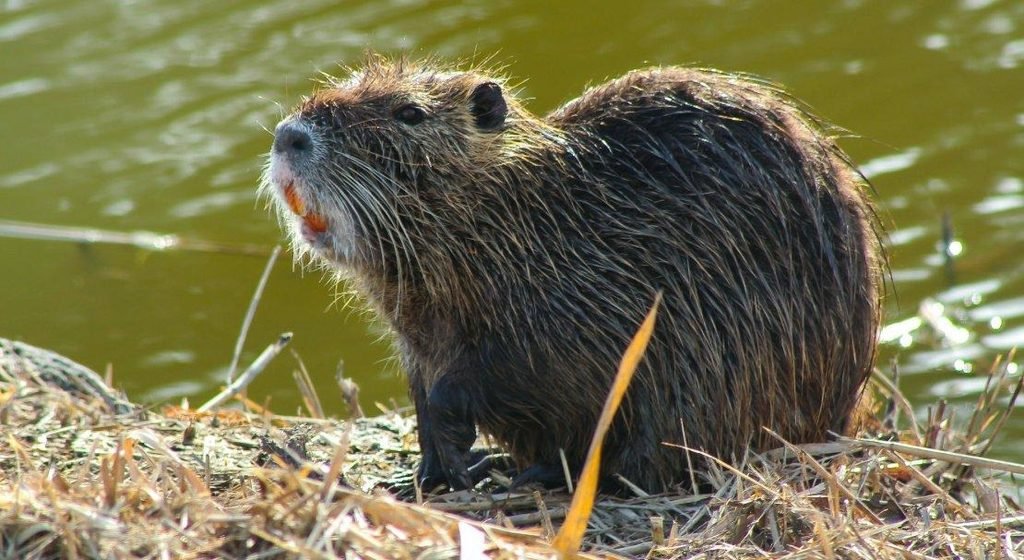
Image Source: fermer.blog
If you have ever seen a large rodent with orange front teeth near a marsh, you may have encountered a nutria. These semiaquatic mammals resemble oversized rats, although they are a distinct species native to South America.
Nutria were introduced into the United States through the fur trade and subsequently established populations in several regions. The USGS nutria profile describes their habitat and feeding behavior.
Their unusual appearance is only part of the story. Nutria feed heavily on aquatic vegetation and roots, and their burrowing can damage stream banks and other wetland areas. When populations grow, their feeding habits can contribute to the loss of vegetation that holds marsh soils together.
This is a useful reminder that introducing an animal to solve one problem can create another. An animal once valued for its fur or promoted for vegetation control may become difficult to manage when it spreads beyond the intended setting.
The weirdest things in USA often reveal this same pattern: human decisions, unexpected animal behavior, and ecological consequences intersect in ways nobody initially planned.
5. The Strange Side Of American Wildlife: When Nature Gets Unexpected
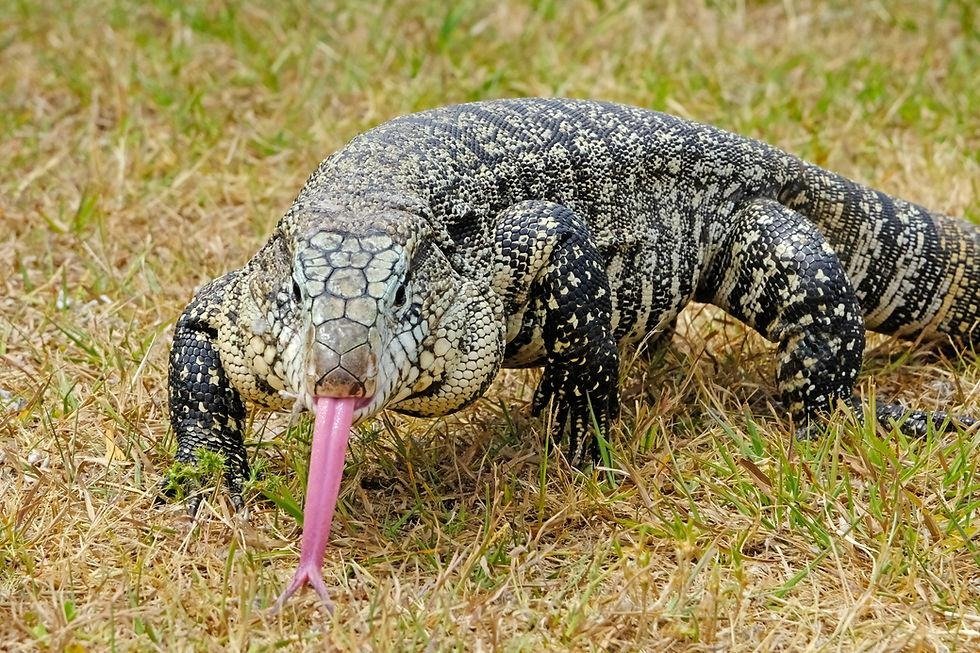
Image Source: peskycritters.com
Some of the weirdest things in USA are not unusual because they are enormous or frightening. They stand out because they look as though they belong somewhere else entirely.
Consider the Argentine black-and-white tegu, a large lizard native to South America that has established populations in parts of Florida and Georgia. According to the USGS guide to invasive reptiles, tegus can threaten vulnerable wildlife by eating eggs and other available food sources.
Florida’s warm climate helps certain nonnative reptiles survive outside captivity. However, a sighting does not automatically mean a new invasive population has become established. Wildlife officials need evidence to determine whether an animal is an isolated escapee or part of a breeding population.
That distinction is important when evaluating viral videos and unusual sightings. The strangest-looking creature is not necessarily the biggest threat, and an alarming photograph alone cannot establish how widespread a species has become.
What These Weird Encounters Teach Us About America
The weirdest things in USA reveal a broader pattern: nature rarely follows the neat categories people expect. An attractive insect can damage crops, a pet-trade escapee can disrupt an ecosystem, and an ordinary-looking pig can cause extensive agricultural losses.
Online culture adds another layer. Strange encounters spread quickly because people enjoy sharing the unexpected. Gadfly City’s The Other Hugh Jackman explores that same sense of surprise through an unusual pop-culture story. Even seemingly unrelated subjects can become fascinating when they challenge what we assume we already know.
Likewise, the broader world is full of unexpected developments, from unusual wildlife discoveries to geopolitical questions such as whether the U.S. could beat Iran in a war. The subjects differ considerably, but they share one useful principle: interesting claims deserve context, not just attention.
When you encounter something bizarre outdoors, keep your distance, avoid handling unfamiliar animals, and consult local wildlife authorities if a species appears invasive or poses a potential hazard. A photograph and a reliable identification are more useful than a risky attempt to get closer.
The most fascinating part of the weirdest things in USA is not simply that these creatures exist. It is that their stories reveal how interconnected human choices, wildlife, and the environment really are.
Frequently Asked Questions
What Are The Weirdest Things In USA Right Now?
Some unusual examples include spotted lanternflies, invasive Burmese pythons, feral hogs, nutria, and Argentine tegus. Their distribution varies by region, so local wildlife authorities provide the best current information.
Are The Weirdest Things In USA Dangerous?
Some can pose risks, but unusual appearance does not automatically mean danger. Certain invasive species threaten ecosystems, while others may simply be unfamiliar. Keep your distance and avoid handling unidentified wildlife.
Where Can You Find Strange Animals In America?
Florida’s wetlands, Louisiana’s marshes, and parts of the eastern United States are known for unusual wildlife and invasive species. Sightings vary seasonally, and not every species occurs throughout these regions.
What Should You Do If You Find An Invasive Species?
Photograph it from a safe distance, note the location, and consult your state wildlife agency or agricultural department. Do not transport or release unfamiliar animals, as doing so may spread invasive populations.
Final Thoughts: Stay Curious, But Stay Informed
At Gadfly City, we believe the strangest stories are often the ones that teach us the most. The weirdest things in USA remind us that curiosity works best when it is paired with reliable information and a willingness to question assumptions. Explore more unexpected discoveries through our Briefly Weird collection at Gadfly City, and let’s keep separating fascinating facts from internet fiction—one curious discovery at a time.